
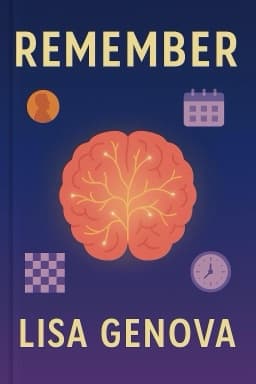
Memory Myths Busted: What Science Really Says About Your Brain’s Recall
Forget the old wives’ tales—here’s the truth about how your memory works, straight from cutting-edge science.

Memory is often misunderstood. Popular culture portrays it as a perfect recording device, but neuroscience reveals a far more complex and fascinating reality. Let’s bust some common myths and replace them with scientific truths.
Myth 1: Memory is Like a Video Recorder
Truth: Memory is reconstructive, not a perfect playback. Each time you recall a memory, your brain rebuilds it, influenced by your current context and emotions. This can lead to distortions and false memories.
Myth 2: Multitasking Improves Efficiency
Truth: Multitasking divides attention and impairs memory formation. Focused attention is essential for encoding memories effectively.
Myth 3: Forgetting is Always Bad
Truth: Forgetting is adaptive, preventing cognitive overload and allowing the brain to prioritize important information.
Understanding Memory Types
Memory is not one thing but many. Procedural (muscle) memory, semantic memory, and episodic memory serve different functions and involve distinct brain regions.
Stress and Sleep: Key Influencers
Chronic stress harms memory centers, while sleep consolidates memories and supports brain health. Managing these factors is crucial for optimal cognitive function.
By dispelling myths and embracing scientific insights, you can develop realistic expectations and effective strategies to nurture your memory. Recent breakthroughs in brain mapping and memory research continue to deepen our understanding, offering hope for enhanced cognitive health. 1 3 4
Want to explore more insights from this book?
Read the full book summary