
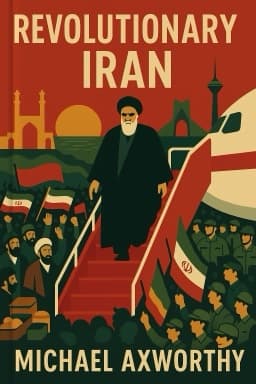
Inside the 1953 Coup: How Foreign Powers Changed Iran’s Destiny Forever
The Untold Story of the CIA and British Role in Toppling Iran’s Democratically Elected Leader

In August 1953, a dramatic and covert operation unfolded that would alter the course of Iranian history and reverberate through international relations for decades. Prime Minister Mohammad Mossadeq, a nationalist hero who had courageously nationalized Iran’s oil industry, was overthrown in a coup orchestrated by the CIA and British intelligence.
The roots of the coup lay in the Anglo-Iranian Oil Company’s exploitative concessions, which paid Iran a paltry 16% of oil profits. Mossadeq’s nationalization in 1951 galvanized popular support but threatened British economic interests and Western strategic concerns during the Cold War. Britain lobbied the United States to intervene, framing the issue as a bulwark against Soviet expansion.
The CIA’s Operation Ajax involved propaganda, bribery, and orchestrated street protests. Iranian military officers and political elites were recruited to depose Mossadeq. However, internal factors were equally critical. The clergy, initially supportive of constitutionalism, turned against Mossadeq fearing secular and leftist influences. Their withdrawal of support was pivotal in undermining the prime minister’s position.
The aftermath saw the Shah’s return to power with increased authoritarianism, backed by Western intelligence. Political repression intensified, and democratic institutions were sidelined. Yet, the memory of the coup lingered, becoming a symbol of foreign betrayal and a rallying point for future resistance movements, including the 1979 Islamic Revolution.
Understanding the 1953 coup is essential to comprehending modern Iran’s political psychology and its fraught relations with the West. It highlights how resource control, Cold War geopolitics, and internal divisions combined to reshape a nation’s destiny. The coup’s legacy serves as a cautionary tale about the consequences of foreign intervention and the fragility of democracy in a turbulent world.
Sources: The New Press on the coup 1 , ICDST Modern Iran history 2 , Amazon’s detailed CIA account 3 , ResearchGate analysis 4 .
Want to explore more insights from this book?
Read the full book summary