
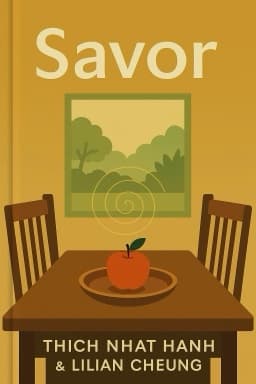
Stop Dieting Forever: How Thich Nhat Hanh’s Mindful Eating Changes Everything
Why Mindfulness Is the Missing Ingredient in Every Diet Plan

Why Mindfulness Is the Missing Ingredient in Every Diet Plan
Are you exhausted by the cycle of dieting—restricting, rebelling, and regretting? You’re not alone. Studies show that most diets fail in the long run, leaving people heavier and unhappier than before. But what if the problem isn’t you, but the very idea of dieting itself? Enter mindful eating—a practice that’s not about deprivation, but about presence, pleasure, and peace.
Thich Nhat Hanh, the beloved Zen master, teaches that when we eat mindfully, we transform not only our bodies, but our hearts and minds. Instead of obsessing over calories or ‘good’ and ‘bad’ foods, we learn to listen to our bodies, honor our hunger, and savor every bite. The result? A healthy relationship with food that lasts a lifetime.
Why do diets fail? Because they ignore the root causes of overeating—stress, emotional triggers, and mindless habits. Mindful eating addresses these head-on. By pausing before meals, tuning into hunger cues, and noticing emotional patterns, you break free from the autopilot mode that drives overeating.
Real people, real results: Meet Sarah, who struggled with yo-yo dieting for years. After discovering mindful eating, she learned to trust her body and enjoy food without guilt. ‘For the first time, I feel free,’ she says. Her story is echoed by thousands who have ditched diets and found peace through mindfulness.
How to start? Begin with one mindful meal a day. Notice your hunger before eating. Eat slowly, savoring flavors and textures. If you slip up, offer yourself kindness—not criticism. Over time, you’ll notice cravings diminish, satisfaction increase, and your body find its natural balance.
For more on the mindful eating revolution, check out this podcast on mindful eating and Thich Nhat Hanh’s teachings.
Say goodbye to diets—and hello to food freedom.
Want to explore more insights from this book?
Read the full book summary