
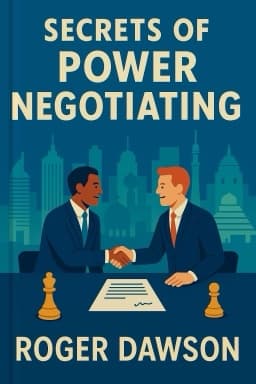
Why Most People Fail at Negotiation—and How You Can Win Every Time
Unlock the psychology behind negotiation blunders and discover the habits of top dealmakers.

Negotiation is one of those skills everyone thinks they understand—until they’re in the hot seat. Why do so many smart, capable people walk away from deals feeling like they lost? The answer lies in a series of simple, avoidable mistakes that even professionals make. But with the right mindset and tools, you can flip the script and become a negotiation powerhouse.
Mistake #1: Accepting the First Offer
Quick acceptance is a trap. It breeds suspicion and regret, making the other side wonder if they could have done better. The best negotiators always pause, reflect, and counter—even if only symbolically.
Mistake #2: Failing to Prepare
Preparation is your secret weapon. Knowing your goals, alternatives, and the other side’s needs gives you confidence and flexibility. Unprepared negotiators get pushed around; prepared ones set the agenda.
Mistake #3: Ignoring Nonverbal Cues
Negotiation is as much about what you see as what you hear. A flinch, a pause, or a smile can shift the entire conversation. Top negotiators read the room—and know how to use their own body language to influence outcomes.
Mistake #4: Overlooking Cultural Differences
Cross-cultural negotiations require sensitivity and adaptability. What works in one country may backfire in another. The best dealmakers research customs, build relationships, and adjust their style to fit the context.
Mistake #5: Fearing Deadlocks
Deadlocks are not the end—they’re a chance to get creative. Setting aside tough issues, bringing in a mediator, or simply taking a break can lead to breakthroughs.
The Habits of Top Negotiators
Winners prepare, listen, adapt, and stay patient. They use silence and hesitation as tools, never rush decisions, and always look for win-win solutions. They see every negotiation as a learning opportunity and never stop improving their craft.
Ready to avoid these mistakes? Practice, reflect, and keep learning. Your next negotiation could be your best yet.
Sources: Roger Dawson’s 'Secrets of Power Negotiating', negotiation blogs, and expert articles
1
2
3
4
Want to explore more insights from this book?
Read the full book summary