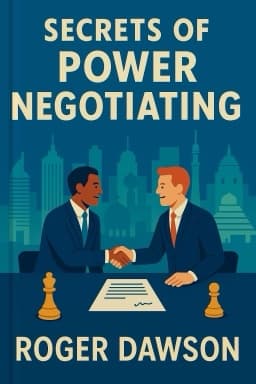
Imagine negotiation as a grand game, not unlike chess, where every move is deliberate, every reaction anticipated, and the outcome shaped long before the final handshake. In this gentle opening, let's step into a world where negotiation is not a battle, but a dance of minds—each participant guided by rules, patterns, and the quiet assurance that with the right mindset, success is within reach.
At the heart of this approach is the idea that negotiation is more of a science than an art. This may surprise you. Many believe that negotiation is the exclusive domain of the charismatic or the quick-witted, but the truth is that most people respond to negotiation moves in remarkably predictable ways. Just as a chess player studies openings and endgames, a skilled negotiator learns the key gambits—those strategic moves that set the stage for every discussion.
Consider the very first moments of a negotiation. The atmosphere you create—be it warm and collaborative or cold and combative—will echo throughout the entire process. A smile, a handshake, a thoughtful question: these are not just pleasantries, but the first moves in a larger game. First impressions matter deeply. They set the emotional tone and signal your intentions.
One of the most soothing truths about negotiation is that, with preparation and the right mindset, you can anticipate many of the moves your counterpart might make. This is not about manipulation, but about understanding human nature. For example, if you approach a negotiation with a sense of calm confidence and a willingness to listen, you invite the same from the other side. Preparation—knowing your goals, your alternatives, and even rehearsing your words—builds a quiet confidence that others can sense.
Let me share a story: Imagine two people negotiating the sale of a car. One comes in prepared, knowing the car’s value, the market, and their own limits. The other arrives with only a vague idea of what they want. The prepared negotiator uses a few well-timed questions, listens carefully, and guides the conversation. The outcome is not just a fair deal, but a feeling of mutual respect. This is the power of preparation and mindset at work.
Just as in chess, a negotiation has opening moves, middle strategies, and endgame tactics. Each phase can be approached with calm, optimism, and a sense of discovery. The best negotiators are not those who dominate, but those who invite collaboration, who see the process as a journey rather than a contest.
As we move forward, remember: negotiation is not about defeating the other side, but about finding a solution where both can feel they have won. With this foundation, let’s explore the first gambits—the opening moves that can set you on the path to a win-win outcome. The art of asking for more, the subtlety of bracketing, and the wisdom of never accepting the first offer await us in the next section.