
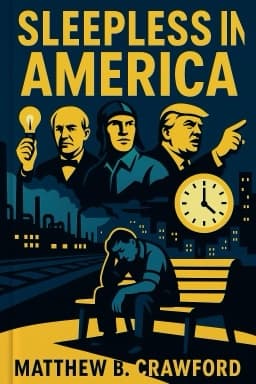
From Steel Mills to Silicon Valley: The Enduring Myth of Sleepless Success
Tracing the dangerous glorification of sleeplessness from industrial labor to today’s tech giants.

The American dream has long been intertwined with the idea that success requires sacrifice—especially the sacrifice of sleep. This myth was born in the fiery furnaces of steel mills where workers endured 12-hour shifts, seven days a week, with little regard for rest. The 'long turn' double shifts epitomized the brutal demands placed on laborers, whose exhaustion was normalized and even celebrated as proof of toughness.
Fast forward to the modern era, and the cult of sleeplessness has found new champions in corporate leaders and media personalities. Retail magnates who start their days before dawn, television moguls who function on mere hours of sleep, and tech entrepreneurs who tout all-nighters as badges of honor all perpetuate this narrative.
However, scientific research increasingly contradicts this myth, showing that sleep deprivation impairs cognitive function, creativity, and decision-making. Progressive companies are beginning to recognize that well-rested employees are more productive and innovative, leading to shifts in workplace policies that encourage rest, flexible hours, and wellness programs.
The challenge remains to dismantle deeply ingrained cultural beliefs that equate sleeplessness with virtue. By learning from history and embracing scientific insights, organizations and individuals can cultivate healthier, more sustainable definitions of success.
Sources: Dangerously Sleepy by Will Meyerhofer, Why We Sleep by Matthew Walker, Sleep’s Hidden Histories - LARB Review 1 2 3
Want to explore more insights from this book?
Read the full book summary