
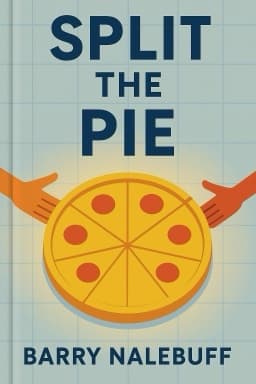
Why Most Negotiations Fail (And How ‘Split the Pie’ Fixes That Forever)
Uncover the hidden reasons behind negotiation breakdowns and learn how a simple framework can revolutionize your outcomes.

Have you ever walked away from a negotiation feeling like you lost, or worse, that no deal was possible? You’re not alone. Many negotiations crumble because parties treat the pie as fixed, leading to fights over slices instead of exploring how to bake a bigger pie.
This zero-sum mindset creates tension, mistrust, and often stalls progress. Worse, it blinds negotiators to the true nature of value creation. ‘Split the Pie’ exposes this root cause and offers a transformative solution: focus on the incremental value created through cooperation and split that fairly.
One common pitfall is misunderstanding power. Many believe the party with the better fallback option or more resources holds more power. However, research and examples show that inside the negotiation, power is symmetrical because each party is essential to creating value. This insight helps debunk myths that fuel aggressive or defensive tactics that alienate the other side.
Preparation failures also doom negotiations. Without clarity on your BATNA, the pie size, and the other party’s interests, you risk accepting bad deals or walking away unnecessarily. ‘Split the Pie’ emphasizes thorough preparation as the foundation of principled negotiation.
Empathy is often overlooked but critical. Without understanding the other party’s objectives and concerns, you miss opportunities to grow the pie and create win-win outcomes. Demonstrating empathy builds trust and opens channels for creative problem-solving.
By adopting the pie framework, negotiators shift from adversaries to partners, focusing on fairness and joint gains. This mindset not only improves immediate outcomes but also fosters lasting relationships and future cooperation.
Real-world example: Two departments coordinating travel costs saved $1,000 by creating a triangular flight route. Instead of splitting total costs, they shared the savings equally, illustrating fairness and cooperation in action.
Next time you negotiate, ask yourself: Are you fighting over slices of a fixed pie, or working together to bake a bigger one? The answer could change everything.
Sources: 1 , 3 , 4
Want to explore more insights from this book?
Read the full book summary