
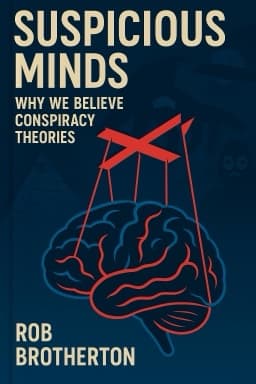
Breaking the Cycle: How to Talk About Conspiracies Without Alienating
Practical advice on engaging with conspiracy believers to foster understanding and reduce misinformation.

Engaging with someone who believes in conspiracy theories can feel like walking through a minefield. The natural impulse to correct misinformation with facts often backfires, strengthening the very beliefs we hope to change. This phenomenon, known as the backfire effect, occurs because people defend their worldview when challenged.
Understanding Cognitive Barriers
Confirmation bias leads people to favor information that supports their existing beliefs and dismiss contradictory evidence. These biases create echo chambers that reinforce conspiratorial thinking. Recognizing these barriers is the first step toward effective communication.
Strategies for Constructive Dialogue
Approaches grounded in empathy and respect are more successful than confrontation. Building trust and creating safe spaces for dialogue encourage openness. Encouraging critical thinking through questions rather than direct challenges helps individuals reflect on their beliefs.
Promoting Resilience
Education that fosters media literacy and critical thinking equips people to navigate misinformation. Patience and ongoing engagement are essential, as changing deeply held beliefs is a gradual process.
By breaking the cycle of confrontation and alienation, we can foster understanding and reduce the harms of conspiracism in society.
Want to explore more insights from this book?
Read the full book summary