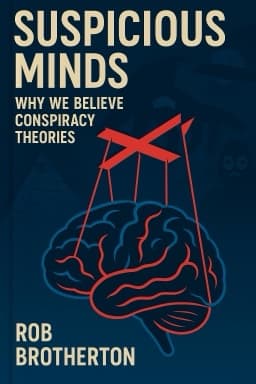
Rob Brotherton
An in-depth psychological analysis of why conspiracy theories are so compelling and widespread, exploring their cognitive roots, historical context, and societal impact.
The term 'conspiracy theory' was popularized as a derogatory label by the CIA in the 1960s to discredit critics of the Warren Commission.
1 more facts available in the app
Section 1
8 Sections
From the flickering shadows of ancient Rome to the crowded streets of medieval Europe, conspiratorial thinking has long been woven into the fabric of human society. Imagine a city ablaze, flames licking the sky as panic spreads through the populace. In such moments of chaos and uncertainty,
This impulse did not fade with the fall of Rome. In medieval Europe, plagues and famines stirred fears that transcended reason. Entire communities were scapegoated, with Jewish populations often targeted by baseless accusations of poisoning wells or orchestrating disasters.
Yet, while the targets and narratives have evolved, the core psychological mechanisms remain remarkably consistent. Conspiracy theories provide a sense of order amid chaos, a narrative where good and evil are clearly delineated, and complex events are distilled into comprehensible stories.
As we move forward, we will explore how these historical patterns intersect with psychological biases and social dynamics, shaping why conspiracy theories continue to captivate minds today. Let us now turn from the distant past to the cognitive processes that fuel these enduring beliefs.
What ancient event was commonly blamed on Emperor Nero, sparking conspiracy theories?
15 more quizzes available in app
Conspiracy theories have existed for millennia, reflecting human attempts to explain complex events by attributing them to secret plots.
7 more insights available in app
Unlock all 8 sections, 8 insights, full audio, and interactive mind map in the SnapBooks app.
Explore the deep psychological roots that make conspiracy theories so irresistible and how they shape our worldview.
Read articleA deep dive into the cognitive science that explains why conspiracy theories feel so real to us.
Read article