
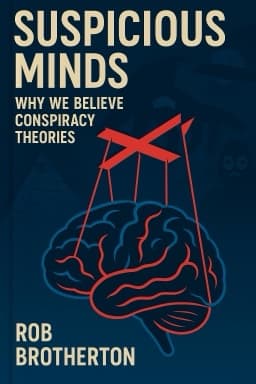
The Hidden Dangers of Conspiracy Theories: From Misinformation to Mayhem
How seemingly harmless beliefs can spiral into real-world harm affecting health, safety, and democracy.

While conspiracy theories can sometimes seem like harmless curiosities or entertaining stories, their real-world impact can be devastating. History and recent events show that conspiratorial beliefs have motivated violent acts, from mass shootings to bombings. Perpetrators often cite imagined enemies born from their conspiratorial worldview as justification for their actions.
Public Health at Risk
One of the most alarming consequences of conspiracy theories is their role in undermining vaccination efforts. Anti-vaccine conspiracy theories have led many to refuse immunizations, contributing to outbreaks of diseases like measles and whooping cough. These outbreaks strain healthcare systems and endanger vulnerable populations, reversing decades of public health progress.
Political and Social Consequences
Conspiracy beliefs also erode trust in government and democratic institutions. When people believe the system is rigged or controlled by hidden forces, they may withdraw from civic participation, weakening democratic processes. This disengagement creates a feedback loop of alienation and misinformation.
Why Addressing the Impact Matters
Recognizing the tangible harms caused by conspiracism is essential for policymakers, educators, and community leaders. Effective interventions require a nuanced understanding of the psychological and social factors that drive these beliefs, combined with compassionate communication strategies.
Conspiracy theories are more than just stories; they are forces that shape real lives and societies. Understanding their dangers helps us build resilience and protect public health, safety, and democracy.
Want to explore more insights from this book?
Read the full book summary