
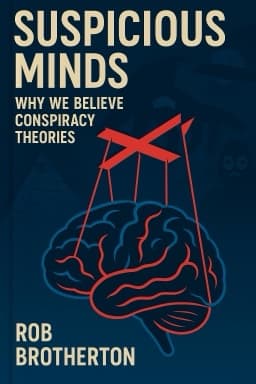
Why You Believe What You Believe: The Science Behind Conspiracy Theories
A deep dive into the cognitive science that explains why conspiracy theories feel so real to us.

Have you ever found yourself convinced by a story that others dismiss as far-fetched? You’re not alone. The human brain is a powerful pattern-seeking machine designed to find meaning in chaos. This ability has been essential for survival but also makes us vulnerable to seeing connections where none exist, especially when we feel uncertain or emotionally conflicted.
Pattern Recognition: A Double-Edged Sword
Studies reveal that when people experience ambivalence—mixed feelings about a situation—they are more likely to perceive patterns in random stimuli. For example, students shown static images reported seeing more meaningful shapes when feeling uncertain. This tendency, while adaptive in some contexts, can lead to false positives, fueling conspiracy beliefs.
The Power of Presentation
Surprisingly, even the way information is presented influences belief. Research shows that conspiracy claims written in easy-to-read fonts are rated as more plausible than those in difficult fonts. This phenomenon demonstrates the cognitive ease principle, where the brain favors information that is easier to process, regardless of its truthfulness.
Why Facts Alone Don’t Work
Conspiracy theories are often unfalsifiable; they adapt to contradictory evidence through self-sealing logic. Presenting facts that challenge these beliefs can trigger the backfire effect, where people double down on their original views. Confirmation bias further entrenches beliefs by making individuals selectively seek supportive information.
Strategies for Engagement
Understanding these cognitive biases is crucial for effective communication. Approaches that emphasize empathy, respect, and trust-building, rather than confrontation, are more successful in opening minds. Encouraging critical thinking and providing clear, accessible information can gradually reduce susceptibility to misinformation.
The science behind why we believe conspiracy theories reveals much about human cognition and emotion. By recognizing our brain’s quirks, we can better navigate the complex landscape of information and misinformation, fostering a more informed and thoughtful society.
Want to explore more insights from this book?
Read the full book summary