
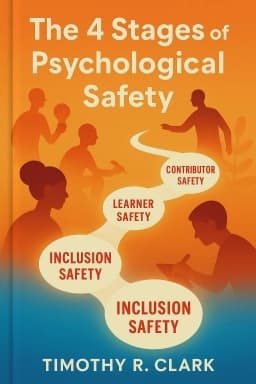
The Hidden Science of Psychological Safety: What Every Innovator Needs to Know
Explore the cutting-edge research revealing how psychological safety fuels creativity and resilience in teams.

Innovation is more than just ideas; it is a social process deeply rooted in psychological safety. Recent research has illuminated how environments that foster safety enable teams to be resilient, creative, and adaptive.
Intellectual vs. Social Friction
Intellectual friction—the clash of ideas—is essential for innovation. It challenges assumptions and sparks new solutions. However, social friction—emotional conflict—can damage relationships if unmanaged. Effective teams balance these tensions, allowing ideas to flourish while maintaining trust.
Challenger Safety: The Innovation Catalyst
Challenger safety is the highest stage of psychological safety, where team members feel empowered to question norms and propose bold ideas without fear. This safety is critical for breakthrough innovation and organizational agility.
Leadership’s Role in Scientific Terms
Leaders influence team neurobiology by regulating stress and fostering positive social interactions. Cultivating safety reduces cortisol levels and promotes dopamine, enhancing focus and creativity. This biological perspective underscores the tangible impact of psychological safety on performance.
Practical Implications for Innovators
- Encourage diverse perspectives and respectful debate.
- Normalize failure as a learning tool.
- Protect dissenters and reward curiosity.
- Build rituals that reinforce trust and openness.
By understanding the science behind psychological safety, innovators can create environments that not only generate ideas but sustain ongoing transformation.
For deeper insights, explore recent academic and industry sources including LinkedIn thought leadership and Harvard Business Review analyses 3 1 .
Want to explore more insights from this book?
Read the full book summary