
Unlocking the Secret to Team Success: Why Psychological Safety is Your Ultimate Superpower
Discover how creating a safe space at work can revolutionize your team’s performance and innovation.

Imagine walking into a workplace where every individual feels genuinely seen, heard, and valued—not just tolerated. This is the promise of psychological safety, a concept that has transcended buzzword status to become a vital framework for building thriving teams and innovative organizations. But what exactly is psychological safety, and why is it so transformational?
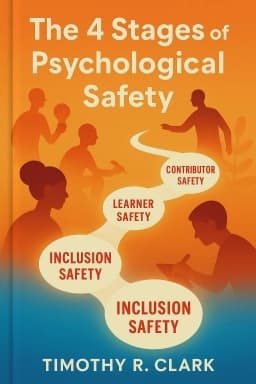
Understanding Psychological Safety: The Four Stages
At its core, psychological safety is about creating environments where people can be authentic, take risks, and challenge the status quo without fear of negative consequences. This journey unfolds across four interconnected stages:
- Inclusion Safety: The foundational need to belong. More than mere tolerance, inclusion safety means genuine acceptance based on our shared humanity. It addresses the pervasive loneliness epidemic and the fragile nature of belonging, reminding us that inclusion can be revoked if not nurtured.
- Learner Safety: The freedom to ask questions, experiment, and learn from failure. Fear is the enemy here; when learners feel safe, they embrace curiosity and resilience, transforming mistakes into stepping stones for growth.
- Contributor Safety: Earned autonomy and accountability. This stage balances trust with responsibility, granting individuals the freedom to perform meaningfully while holding themselves accountable for outcomes.
- Challenger Safety: The courage to innovate by challenging norms and expressing dissent. This pinnacle stage requires leaders to cultivate environments where candor is welcomed and protected, fueling continuous adaptation and creativity.
The Leadership Imperative
Leaders are the architects of psychological safety. Their behaviors set the cultural tone—modeling vulnerability, managing conflict constructively, and fostering trust. Fear signals leadership failure, while courage and openness invite engagement and innovation. Avoiding toxic dynamics like paternalism and exploitation is critical to maintaining respect and permission within teams.
Building Trust and Managing Conflict
Trust is the heartbeat of psychological safety, built over time through consistent, caring interactions. It reduces social friction and enables open communication. Conflict, when navigated skillfully, becomes intellectual friction—the spark of innovation—while social friction must be managed with empathy to protect relationships.
Sustaining Psychological Safety as a Culture
Psychological safety is not a one-time achievement but a continuous journey embedded in culture through norms, rituals, and stories. Leadership commitment and team engagement are essential to reinforce these values, ensuring that safety endures amid change and challenges.
The Transformative Promise
Ultimately, psychological safety unlocks human potential, driving happiness, connection, and organizational performance. It is a strategic asset that creates workplaces where people thrive, innovate, and contribute their best selves.
Embracing psychological safety is embracing a better future—for teams, organizations, and humanity itself.
For more on how psychological safety shapes leadership and innovation, see recent insights from Harvard Business Review and Forbes highlighting common misconceptions and the critical role of safety in high-stakes industries 1 4 .
Want to explore more insights from this book?
Read the full book summary