
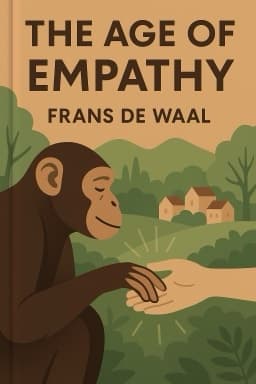
How Teaching Empathy Could Save the World: Education and Policy Insights
Discover how empathy can be nurtured through education and policy to create healthier, more resilient societies.

Empathy is a skill that can be learned and strengthened, much like reading or math.
Programs focusing on emotional literacy teach students to recognize and manage their emotions, understand others’ feelings, and resolve conflicts peacefully. These skills lay the foundation for lifelong empathy, improving both personal relationships and societal cohesion.
Beyond schools, public policies play a critical role. Social welfare programs, accessible healthcare, and community initiatives foster environments where empathy can thrive. These policies promote social responsibility and reduce the inequalities that often erode empathy.
Countries that invest in such programs see benefits in reduced violence, improved mental health, and stronger community ties. While challenges remain, the growing recognition of empathy’s importance signals a hopeful shift toward more compassionate societies.
References: Based on research from educational psychology, social policy analysis, and global case studies.[[0]](#__0) [[3]](#__3)
Want to explore more insights from this book?
Read the full book summary