
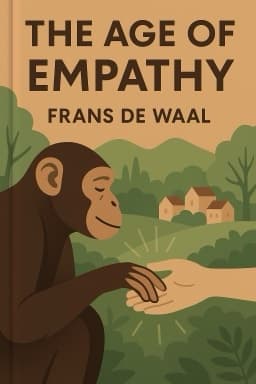
The Empathy Paradox: How Feeling for Others Can Sometimes Divide Us
Unmask the hidden challenges of empathy, including its biases and the dark sides that can harm social cohesion.
Empathy is celebrated as a bridge between hearts, but it is not always an open road.
People naturally feel stronger empathy for family, friends, and those who share cultural or social identities. This in-group bias can reinforce social cohesion but also erect walls that divide societies. Such selectivity can fuel prejudice, discrimination, and even violence against perceived outsiders.
At the extreme, individuals with psychopathic traits lack emotional empathy despite often possessing cognitive understanding of others’ feelings. This absence allows manipulation and harm without remorse, highlighting empathy’s crucial role in moral behavior.
Modern social fragmentation, economic inequality, and political polarization further suppress empathy’s potential. Recognizing these limitations is the first step toward expanding empathy’s scope.
Education programs focused on emotional literacy and inclusive policies that promote social welfare can help overcome these barriers.
References: Drawn from sociobiology, psychology, and social neuroscience research on empathy’s complexities.[[0]](#__0) [[1]](#__1)
Want to explore more insights from this book?
Read the full book summary