
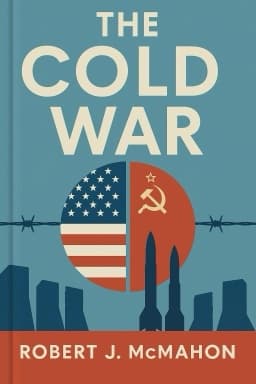
5 Shocking Ways the Cold War Still Shapes Your Life Today
From your newsfeed to your travel plans, the Cold War’s hidden fingerprints are everywhere.

When you hear 'Cold War,' you might think of grainy black-and-white footage, mushroom clouds, or Berlin Wall graffiti. But what if I told you that the Cold War is still shaping your life in ways you never imagined? From the news you read to the phone in your hand, the rivalry that defined the 20th century continues to cast a long shadow over our 21st-century world.
1. The Nuclear Threat Is Still Real
More than 13,000 nuclear weapons remain on alert around the globe. The arms race that began in the 1940s hasn’t ended—it’s just gone underground. Today, new technologies and regional tensions keep the doomsday clock ticking, with old Cold War rivals and emerging powers alike holding onto their arsenals. The world’s security is still defined by doctrines like Mutually Assured Destruction, a chilling legacy of Cold War logic.
2. NATO’s Expansion Shapes Global Security
Since 1949, NATO has grown from 12 to 31 members, extending its reach across Europe and beyond. This expansion is a direct result of Cold War alliances—and it continues to spark debate, especially as new countries seek membership and others push back. The world’s security architecture, crisis response, and even military spending are all rooted in decisions made decades ago.
3. Your Internet Exists Because of the Cold War
ARPANET, the precursor to the internet, was a product of Cold War fears. The US government funded its development to ensure secure communications in case of nuclear attack. Fast-forward to today: every meme, tweet, and video call owes its existence to the urgency of Cold War innovation.
4. Pop Culture and Sports Rivalries
The Olympics, chess championships, and even ballet tours became proxy battlegrounds for superpower pride. That legacy endures in the way we watch sports and celebrate national achievements. Films like 'Rocky IV' or spy thrillers are direct descendants of Cold War propaganda and intrigue.
5. Travel and Borders: Still Divided
Although the Berlin Wall is gone, the world remains divided by many visible and invisible barriers. Visa policies, restricted travel zones, and even the very concept of 'East' and 'West' are products of the Cold War era. Some borders and conflicts today trace directly back to decisions made in Yalta, Potsdam, and beyond.
Conclusion: Why It Matters
The Cold War was more than a standoff—it was a crucible that forged the modern world. Its legacy touches everything from the way nations interact to the technology that powers your daily life. By understanding these connections, we can better navigate today’s challenges and avoid repeating the mistakes of the past. History doesn’t just repeat—it echoes, shapes, and sometimes warns.
Want to explore more insights from this book?
Read the full book summary