
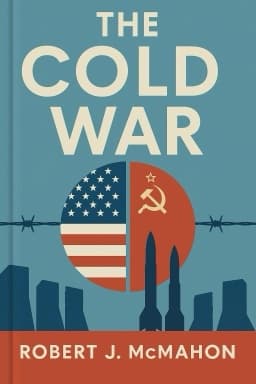
From Ruins to Rivalry: How World War II Gave Birth to the Cold War
Discover how the devastation of WWII set the stage for decades of global tension.

When the guns fell silent in 1945, the world was forever changed. Cities lay in ruins, millions wandered as refugees, and the old order was shattered. But peace proved elusive. Instead, a new struggle began—one that would define the next half-century.
The World in Ashes
World War II’s devastation was total. Two-thirds of the 60 million dead were civilians. Economic collapse and displacement created a world desperate for stability and hope.
Superpowers Emerge
The US and USSR emerged as the world’s new giants—one prosperous and optimistic, the other scarred and obsessed with security. Their visions for the future clashed at every turn.
Competing Visions
The Americans pushed for open markets and democracy; the Soviets, for buffer states and ideological control. The seeds of rivalry were sown in the very first peace conferences.
First Flashpoints
Berlin, Poland, and other hotspots became testing grounds for the new order. The Berlin Blockade and Airlift, the Marshall Plan, and the formation of NATO all set the pattern for the Cold War to come.
The Legacy
The world’s division was not inevitable—but it was the result of choices, fears, and hopes in the aftermath of unimaginable destruction. By understanding how the Cold War began, we can better understand the stakes of peace and rivalry today.
Want to explore more insights from this book?
Read the full book summary