
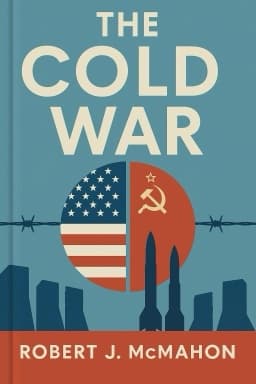
How the Cold War Created the World’s Most Unlikely Heroes
From secret agents to everyday citizens, meet the people who changed history—often in total silence.

History often remembers generals and presidents, but the true story of the Cold War is filled with unsung heroes—people who risked everything, not for glory, but for a better world. Their names may not appear in textbooks, but their courage changed the course of history.
The Spy Who Saved the World
Oleg Gordievsky, a high-ranking KGB officer, secretly worked for British intelligence. His information helped avert nuclear war and exposed Soviet plans. He lived in constant fear, knowing that a single mistake could mean death. Yet, he persisted, believing that peace was worth any risk.
Scientists Against the Bomb
Andrei Sakharov, the father of the Soviet hydrogen bomb, became a leading dissident and advocate for human rights. He spoke out against nuclear proliferation and government repression, enduring exile and harassment for his convictions. His legacy is a testament to the power of conscience over fear.
The Citizens Who Chipped Away at the Wall
In 1989, ordinary Berliners gathered to break down the Wall. Their courage, persistence, and hope turned a symbol of oppression into a monument to freedom. Many risked arrest, but their determination inspired the world and hastened the end of the Cold War.
Quiet Resistance in the West
In the US, teachers, artists, and writers resisted McCarthyism and censorship. Their quiet defiance protected free expression and helped preserve democratic values in a time of paranoia and fear.
Everyday Courage
Across the globe, millions found ways to resist. Some passed secret messages, others sheltered fugitives, and many simply refused to give up hope. Their stories remind us that heroism is not always dramatic—sometimes, it’s the quiet determination to do what’s right.
Conclusion: Why Their Stories Matter
The Cold War’s unlikely heroes remind us that history is shaped not just by leaders, but by ordinary people who choose courage over fear. Their legacies inspire us to stand up for truth and justice, even when the odds seem impossible.
Want to explore more insights from this book?
Read the full book summary