
The Science of Hits: How the Creative Curve Explains Why Some Ideas Go Viral and Others Don’t
Unlocking the Psychological and Social Secrets Behind Viral Success

In the world of creativity and marketing, the question of why some ideas become massive hits while others flop has fascinated experts for decades. Allen Gannett’s The Creative Curve offers a compelling answer grounded in psychology and social science.
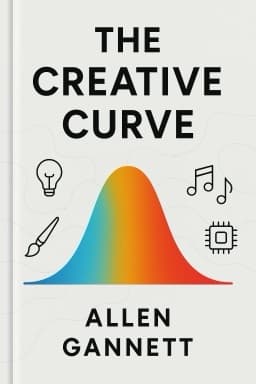
The creative curve is a bell-shaped relationship between how familiar an idea is and how much people like it. Too familiar, and the idea bores us; too novel, and it alienates us. The sweet spot in the middle is where hits are born.
This phenomenon is explained by the mere exposure effect, where repeated exposure increases liking up to a saturation point. Dopamine release motivates us to seek novelty, but as an idea becomes more familiar, the dopamine response diminishes, reducing interest.
Social dynamics also play a critical role. Gatekeepers such as critics, promoters, and cultural institutions decide which ideas gain visibility and acceptance. Economic and cultural context further influence which ideas flourish.
Creators who understand and leverage the creative curve can better time their innovations, balancing novelty and familiarity to maximize appeal. They also engage with creative communities to gain feedback and promotion, iterating their work based on audience response.
Understanding the science behind hits not only demystifies viral success but empowers creators and marketers to systematically craft ideas that resonate and spread.
Sources: 1 , 3 , 4
Want to explore more insights from this book?
Read the full book summary