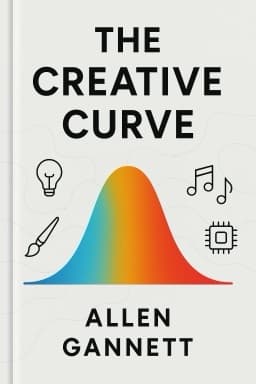
Allen Gannett
A data-driven guide revealing the science and patterns behind creative success, debunking myths of genius and offering four laws to develop ideas that resonate at the right time.
Paul McCartney’s iconic song 'Yesterday' took nearly two years to complete despite its legendary 'dream' origin.
2 more facts available in the app
Section 1
7 Sections
We often imagine creativity as a sudden spark, a magical moment when an idea bursts fully formed into our minds. This comforting narrative has been perpetuated for centuries, painting the creative process as the domain of mysterious geniuses blessed with divine insight. Yet, when we delve deeper into the origins of some of the most iconic creative works, this myth begins to unravel.
Take the story of a song that many believe was born fully formed in a dream.
Moreover, the melody itself was not conjured from an empty mind but was likely influenced by earlier works the musician had absorbed over years. This subconscious synthesis illustrates how creativity often builds upon existing cultural elements, weaving familiar threads into new tapestries.
Thus, creativity is less about sudden flashes and more about persistent effort and deep internalization.
As we move forward, we will explore how this understanding challenges traditional notions and opens new pathways to nurturing creativity.
What common myth about creativity does the story of the song ‘Yesterday’ challenge?
13 more quizzes available in app
The belief that creativity is a mystical, sudden event is comforting but misleading.
8 more insights available in app
Unlock all 7 sections, 9 insights, full audio, and interactive mind map in the SnapBooks app.
Unlocking the Science Behind Creative Success and Why Waiting for Inspiration is Holding You Back
Read articleThe Deadly Trap of Passive Waiting and the Science-Backed Path to Creative Breakthroughs
Read article