
Why Waiting for Your 'Big Idea' is Killing Your Creativity (And What to Do Instead)
The Deadly Trap of Passive Waiting and the Science-Backed Path to Creative Breakthroughs

Have you ever sat at your desk, hoping for a sudden flash of genius to strike, only to be met with silence? You’re not alone. The myth of the 'light-bulb moment' is deeply ingrained in our culture, perpetuated by stories of overnight successes and divine inspiration. However, Allen Gannett’s The Creative Curve reveals that this belief is not only false but harmful.
Research shows that most marketers and creators fail because they wait for inspiration instead of adopting structured methods. Open offices and brainstorming sessions, while popular, do not guarantee creativity. Instead, creativity requires active engagement, consumption of relevant cultural material, imitation of existing forms, collaboration within creative communities, and continuous iteration based on feedback.
Historically, myths about creativity have framed it as a gift of genius or madness, discouraging many from pursuing creative work. Victorian-era scholars linked creativity to insanity, while forged letters and romanticized stories painted geniuses as effortlessly gifted. This social construction of creativity as an exclusive trait has limited access and stifled potential.
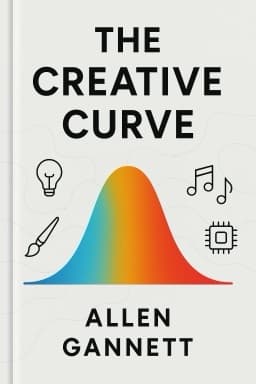
Scientifically, creativity is accessible to all above a modest IQ threshold, and brain plasticity means skills can be developed through purposeful practice. The creative curve explains how balancing novelty with familiarity maximizes audience preference, and the four laws of the curve provide a blueprint for success.
To break free from the waiting game, creators must take deliberate action: immerse themselves in cultural consumption, learn and imitate proven forms, engage with supportive communities, and embrace iterative refinement. This proactive approach transforms creativity from a mystical event into a manageable process.
In conclusion, stop waiting for your big idea to magically appear. Understand the science, embrace the process, and watch your creativity flourish.
Sources: 1 , 3 , 4
Want to explore more insights from this book?
Read the full book summary