
From Ivory Towers to Twitter Wars: How Higher Education Lost Its Way
The Unintended Consequences of Treating College Like a Business

Once upon a time, college was a crucible—a place where young minds were forged through challenge, failure, and the pursuit of truth. Today, many campuses resemble luxury resorts, with students as customers and grades as products. What happened to the soul of higher education?
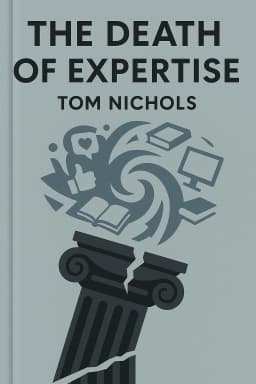
Tom Nichols, in The Death of Expertise, offers a sobering diagnosis. The democratization of college, though well-intentioned, has led to a culture of entitlement. When everyone is expected to go to college, the degree loses its meaning. Grade inflation is rampant; 'A' is now the most common grade. Students, conditioned to see themselves as clients, demand satisfaction rather than growth. Professors, under pressure to keep enrollments high, are incentivized to please rather than challenge.
This shift has consequences far beyond the classroom. Graduates enter the workforce expecting praise for participation, not excellence. Critical thinking withers when discomfort is avoided. Nichols argues that true expertise can only grow in an environment where failure is possible and rigor is valued. The commodification of education has created a generation confident in their abilities, but often lacking depth.
Restoring the value of higher education requires courage—from students willing to embrace discomfort, from faculty committed to high standards, and from institutions that prioritize learning over amenities. It’s time to remember that the journey is as important as the destination, and that real growth comes from grappling with what we do not yet understand.
References: The Death of Expertise by Tom Nichols, Inside Higher Ed, The Conversation.
Want to explore more insights from this book?
Read the full book summary