
Google Isn’t a Substitute for Wisdom: The Perils of Instant Knowledge
Why Easy Answers Can Make Us Overconfident—and More Vulnerable to Lies

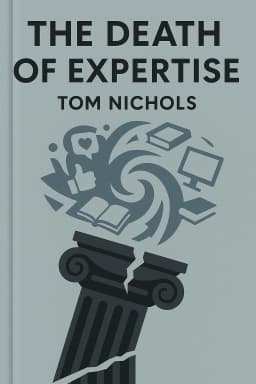
We live in an age where answers are always at our fingertips. Need to settle a debate, diagnose a symptom, or learn a new skill? Just Google it. But as Tom Nichols warns in The Death of Expertise, the Internet’s promise of democratized knowledge has a dark side: it makes us feel smarter than we really are.
Online, information and misinformation flow side by side. Sturgeon’s Law—'90% of everything is crap'—applies more than ever. Quick searches provide instant answers, but rarely context. The result is a society where confidence outpaces competence, and where viral myths can spread faster than facts.
Confirmation bias thrives in this environment. Algorithms serve up content that matches our beliefs, reinforcing what we already think and making it harder to change our minds. Nichols argues that true expertise requires depth, patience, and a willingness to be wrong—qualities that are often lost in the rush for instant answers.
So, how can we navigate this digital landscape wisely? Start by questioning sources, seeking out diverse perspectives, and remembering that not every answer is just a search away. Intellectual humility—the willingness to admit what we don’t know—is more valuable than ever.
References: The Death of Expertise by Tom Nichols, scholarlykitchen.sspnet.org, digital literacy research.
Want to explore more insights from this book?
Read the full book summary