
The Surprising Science of Why We Make Mistakes (and How Design Can Save Us)
From slips to mistakes, discover why error is inevitable—and how the best designs help us recover.

Everyone makes mistakes—sometimes with a laugh, sometimes with a groan. Maybe you’ve poured orange juice into your coffee, or sent a text to the wrong person. But what if the objects around you could help you avoid these blunders—or at least soften the consequences?
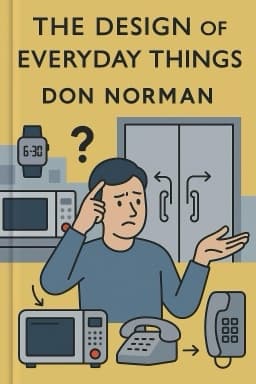
In The Design of Everyday Things, Don Norman explains that errors come in two flavors: slips and mistakes. A slip happens when you intend to do one thing but end up doing another—like grabbing the wrong remote or clicking the wrong icon. A mistake, on the other hand, is when your plan itself is flawed, often because you misunderstood the situation. Both are natural, but both can be addressed by thoughtful, user-centered design.
Great design anticipates errors. Forcing functions—like cars that won’t start unless in park, or microwaves that won’t run with the door open—prevent dangerous actions. Feedback lets you know when something’s gone wrong, and constraints guide you toward the right action. Even the humble 'undo' button is a gift from designers who understand that everyone slips up.
It’s not about making people perfect. It’s about making the world more forgiving. When you encounter a well-designed object, you feel smart, capable, and in control. When you face a poorly designed one, you may feel clumsy or even ashamed. The difference isn’t you—it’s the design.
So next time you make a mistake, remember: it’s a chance for designers to learn, too. Each error is a clue, pointing the way to a kinder, more supportive world.
With the right design, mistakes become opportunities for learning, not sources of stress. And that’s a lesson worth celebrating.
Want to explore more insights from this book?
Read the full book summary