
7 Surprising Ways Your Phone Is Rewiring Your Brain (And How to Fight Back!)
How Everyday Tech Habits Shape Your Mind—And Simple Fixes for a Healthier Brain

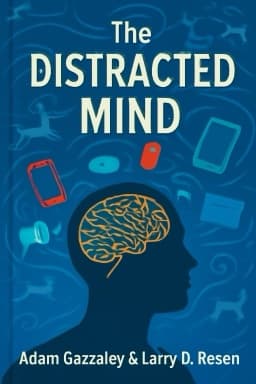
Ever wondered why you can’t put your phone down, even when you know you should? The answer lies deep in your brain’s chemistry and wiring. The Distracted Mind explains how our devices are designed to exploit ancient instincts, turning every notification into a mini-reward that’s almost impossible to ignore. Over time, these habits change your brain’s structure and function—leading to shorter attention spans, more anxiety, and even impaired memory.
1. Notifications Hijack Your Reward System
Every ping or buzz triggers a dopamine burst, the same chemical that drove our ancestors to seek new food or safety. This makes checking your phone feel urgent and irresistible, even when you know it’s not important.
2. Multitasking Splinters Your Focus
Switching between apps, texts, and tasks doesn’t make you more productive. It actually doubles your error rate and makes it harder to remember what you’ve learned. The illusion of efficiency hides real cognitive costs.
3. Social Media Fuels FOMO and Stress
Endless scrolling and comparison can increase anxiety and reduce self-esteem. The need to be constantly connected creates a cycle of partial attention and emotional fatigue.
4. Memory Gets Fragmented
With so much incoming information, your brain can’t encode everything into long-term memory. You may remember less from conversations, meetings, or even books you read on your device.
5. Sleep Suffers
Late-night screen time disrupts your circadian rhythm, reducing sleep quality and making it harder to focus the next day.
6. Creativity Takes a Hit
Constant distraction leaves little room for daydreaming and deep thought—the birthplace of creative ideas.
7. Your Brain Can Change Back
The good news: with practice, you can rebuild focus and resilience. Mindfulness, nature walks, digital detoxes, and even certain video games can strengthen attention networks and restore balance.
How to Fight Back
- Turn off non-essential notifications
- Schedule device-free blocks each day
- Use apps that encourage focus (not just block distractions)
- Spend time outdoors to restore attention
- Practice mindfulness or meditation
- Be kind to yourself when you slip up—self-compassion helps you refocus faster
Technology isn’t the enemy—mindless tech use is. By understanding how your brain responds to digital life, you can make smarter choices and turn your devices into allies for focus, learning, and happiness.
References: The Distracted Mind, Blinkist, 20 Minute Books, The Brain Blog
Want to explore more insights from this book?
Read the full book summary