
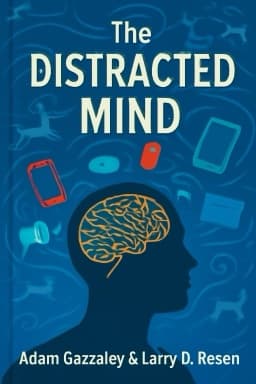
The Hidden Upside of Distraction: How Mind-Wandering Fuels Creativity
Why Letting Your Mind Wander Might Be the Secret to Innovation

We’re told to fight distraction at every turn, but what if letting your mind wander is actually a source of creativity? The Distracted Mind and modern research suggest that periods of daydreaming can help your brain connect distant concepts, leading to breakthroughs and innovation.
Creativity Needs Space
When you’re stuck on a problem, stepping away or allowing your mind to drift often leads to the 'aha' moment. Studies show that the brain’s default mode network becomes active during mind-wandering, fostering connections between unrelated ideas.
Famous Minds, Wandering Minds
Many innovators, from Einstein to contemporary artists, credit their best ideas to moments of distraction or daydreaming. The key is balance: alternating periods of deep focus with intentional breaks for mind-wandering.
How to Harness Mind-Wandering
- Schedule time for focused work, then allow yourself to daydream
- Take walks in nature to let your thoughts roam
- Practice mindfulness to notice when your mind drifts, then gently return to your task
Embrace Your Distracted Mind
Distraction doesn’t have to be the enemy. When used wisely, it can be the spark for your next big idea.
References: The Distracted Mind, Blinkist, LifeClub, The Brain Blog
Want to explore more insights from this book?
Read the full book summary