
The Multitasking Myth: Why Doing More Means Achieving Less
The Real Science Behind Multitasking—and How to Finally Get Things Done

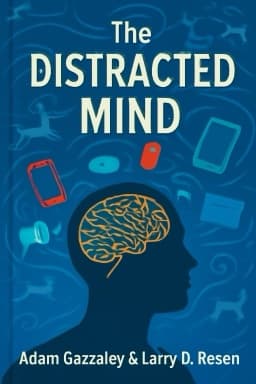
Do you pride yourself on juggling emails, meetings, and social media all at once? You might be sabotaging your own success. According to The Distracted Mind and a growing body of research, multitasking is not just ineffective—it’s harmful. The brain is not wired for parallel processing; instead, it switches rapidly between tasks, losing time and accuracy with each switch.
The Hidden Costs of Task-Switching
Studies show that switching between tasks doubles the chance of making errors and slows overall progress. Students who text during lectures remember less; professionals who check email during meetings miss key details. The more you try to do at once, the less you actually accomplish.
Why the Brain Struggles
The prefrontal cortex, responsible for managing goals and attention, can only handle a limited amount of information. When overloaded, it drops important details and leaves you feeling scattered. This is why you might forget why you walked into a room or lose your train of thought mid-conversation.
Single-Tasking: The Secret to Real Productivity
The antidote is simple but powerful: single-tasking. Focusing on one task at a time allows your brain to fully engage, improving accuracy, speed, and satisfaction. Techniques like the Pomodoro method, focused work blocks, and digital hygiene (like silencing notifications) help create the conditions for deep work.
Building a Focused Life
Productivity isn’t about doing more—it’s about doing what matters, well. By understanding the science of attention and designing your environment for focus, you can break free from the multitasking trap and unlock your true potential.
References: The Distracted Mind, LifeClub, Blinkist, The Brain Blog
Want to explore more insights from this book?
Read the full book summary