
Beauty, Brains, and Fidelity: What Men Really Seek (and Why It Matters)
The Surprising Science Behind Male Attraction and Commitment

The Surprising Science Behind Male Attraction and Commitment
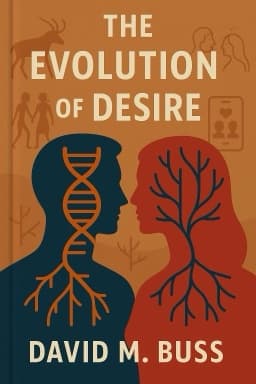
Why do men seem obsessed with beauty—or is there something deeper at play? Evolutionary psychology, led by thinkers like David M. Buss, shows that men’s preferences for youth, health, and fidelity aren’t shallow—they’re ancient signals of fertility and paternity certainty.
Across dozens of cultures, men consistently prefer younger women, with features like clear skin, symmetry, and a low waist-to-hip ratio. These cues are reliable indicators of reproductive value, making them universally attractive. Fidelity is equally important, as it reassures men that their investment—of time, resources, and love—is directed toward their own children.
But men’s desires are not set in stone. Cultural shifts, economic independence, and technology all influence how men pursue and commit to partners. Understanding these drives can help men make wiser choices and foster deeper, more trusting relationships.
By seeing attraction as a product of both biology and choice, we can move beyond stereotypes and build empathy between the sexes. The science of desire isn’t about limiting our options—it’s about understanding our deepest motives, so we can love more wisely and well.
References: David M. Buss, "The Evolution of Desire"; Power Dynamics, SoBrief 3 4
Want to explore more insights from this book?
Read the full book summary