
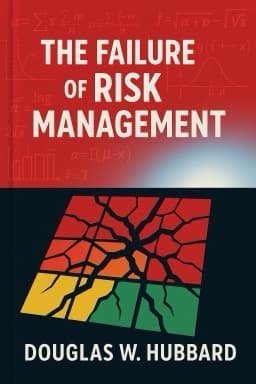
The Psychology Behind Risk Management: Why We Get It Wrong and How to Fix It
Explore the cognitive biases that undermine risk management and discover strategies to sharpen judgment.

The Confidence-Accuracy Gap
One of the most surprising findings in decision science is that confidence often does not correlate with accuracy. People become more confident when given more information or when collaborating in groups, yet their actual decision quality does not improve. This disconnect leads to inflated certainty and risk underestimation.
The Dunning-Kruger Effect
The Dunning-Kruger effect describes how the least competent individuals tend to overestimate their abilities the most. In risk management, this means that those with poor judgment may be unaware of their limitations, leading to flawed risk assessments and poor decisions.
Overcoming Biases Through Calibration
Calibration training helps experts learn to align their confidence with actual outcomes. Through repeated exercises and feedback, individuals reduce overconfidence and improve the reliability of their probability estimates.
Aggregating Expert Opinions Wisely
Combining multiple expert estimates improves forecast accuracy, especially when weighted by past performance. This approach mitigates individual biases and leverages collective intelligence.
Building a Culture That Values Accurate Judgment
Ultimately, organizations must foster a culture that encourages honest assessment, continuous learning, and accountability. Incentives aligned with accurate risk measurement promote better analysis and decision-making.
Conclusion
Understanding the psychological barriers to accurate risk management is crucial for improvement. By applying calibration, aggregation, and cultural change, organizations can overcome biases and make smarter, more resilient decisions.
References:
- Douglas Hubbard, The Failure of Risk Management
- Medium Article on Risk Psychology source
Want to explore more insights from this book?
Read the full book summary