
Climate Change and the Collapse of Rome: Ancient Warnings for a Warming World
What the Roman Empire’s Environmental Drama Can Teach Us About the Future

What the Roman Empire’s Environmental Drama Can Teach Us About the Future
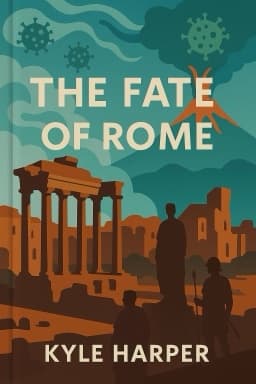
Imagine a world where the weather is your greatest ally—and then, suddenly, your greatest enemy. For the Roman Empire, climate was both blessing and curse. In The Fate of Rome, Kyle Harper uses the latest climate science to show how the empire’s rise and fall were intimately tied to the rhythms of nature.
Rome’s golden age unfolded during the Roman Climate Optimum, a period of warmth and stability that made the Mediterranean a breadbasket and allowed cities to grow to unprecedented size. But this prosperity was fragile. As the climate shifted—glaciers advanced, droughts struck, and rainfall patterns changed—the empire faced repeated agricultural crises. Tree rings from the Alps and ice cores from Greenland now tell the tale of these ancient weather swings with scientific precision.
Rome’s environmental impact was profound. Forests were cleared for farmland and timber, hillsides eroded, and water management systems strained to keep up with a growing population. When the climate turned less forgiving, these vulnerabilities were exposed. Food shortages bred unrest, armies weakened, and the empire’s ability to project power waned.
Harper’s narrative is a warning for our own time. The Roman story shows that even the most advanced societies can be undone by environmental complacency and the limits of adaptation. As we face our own era of climate uncertainty, the lessons of Rome are clear: respect the power of nature, invest in resilience, and remember that prosperity is always balanced on a knife’s edge.
For more on the environmental history of Rome and the science behind climate reconstruction, see: Princeton University Press’s book page, TechRatchet’s summary, and recent academic interviews with climate historians.
2
3
1
Want to explore more insights from this book?
Read the full book summary