
The Hidden Generational Code: How Prophets, Nomads, Heroes, and Artists Shape Our World
Discover the four enduring generational archetypes and their powerful influence on history, culture, and your own life.

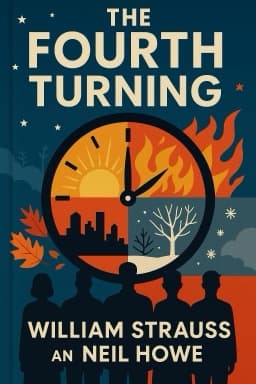
Have you ever wondered why certain generations seem to share distinct attitudes, values, and behaviors? Why some eras are marked by visionary leadership while others are defined by survival and pragmatism? The answer lies in a hidden generational code uncovered by William Strauss and Neil Howe in their groundbreaking work on historical cycles.
Their theory identifies four generational archetypes that recur in a fixed sequence every saeculum—roughly 80 to 100 years. These archetypes are:
- Prophets: Born during societal highs, they grow up as indulged children and become moralistic, visionary leaders during crises.
- Nomads: Raised during awakenings, they become pragmatic survivors, often skeptical and self-reliant.
- Heroes: Born during unraveling periods, they grow up as protected children and become team-oriented builders during crises.
- Artists: Born during crises, they mature as sensitive adults who help heal and refine society during highs.
For example, the G.I. Generation, who fought in World War II, exemplify the Hero archetype—optimistic, institution-building, and collective-minded. The Baby Boomers, born during the postwar High, fit the Prophet archetype, known for their values-driven activism and cultural leadership during the 1960s Awakening.
These archetypes do not just describe personality types but reflect deep social moods and roles that influence politics, culture, and economic trends. Understanding your generational archetype can illuminate your worldview and your place in history’s unfolding drama.
Moreover, recognizing these patterns helps societies anticipate challenges and opportunities. Each archetype’s strengths and weaknesses contribute to the cyclical dance of renewal and crisis. By embracing this knowledge, individuals and communities can better prepare for the seasons ahead.
Ultimately, the generational code offers a hopeful message: history’s cycles are not random but patterned, and by understanding them, we gain agency over our collective future.
Insights drawn from Strauss & Howe’s research and enriched by sociological studies and historical data. [[0]](#__0) [[1]](#__1) [[2]](#__2)
Want to explore more insights from this book?
Read the full book summary