
Why You're Always Chasing Happiness (And How to Finally Catch It!)
Discover the surprising mindset shift that turns frustration into joy and progress into peace.

Have you ever felt like happiness is always just out of reach? Like no matter how much you achieve, you still feel a nagging sense of dissatisfaction?
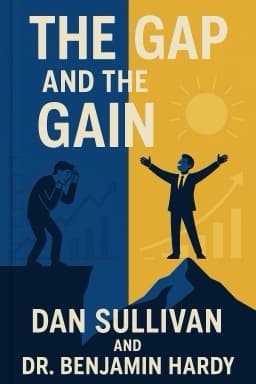
Imagine a person standing at a crossroads. One path is dark and filled with shadows of doubt and comparison — the GAP. The other is bathed in warm sunlight, representing the GAIN — the practice of measuring progress against your own past achievements. This shift from GAP to GAIN is not just semantics; it is a fundamental reorientation of your mind that can transform your emotional landscape.
Why does this matter? Because research shows that measuring progress backward — looking at how far you've come — fuels gratitude and confidence. For example, a man who focused on his journey and small wins skated his best race ever, winning gold because he celebrated the process rather than fixating on the medal.
Science backs this up. Studies reveal that optimistic people who focus on positive emotions live longer and healthier lives. One famous study followed nuns whose joyful expressions correlated with a lifespan nearly ten years longer than their peers. Another showed hotel maids who were told their work counted as exercise improved health metrics without changing their routine — a powerful placebo effect demonstrating how mindset influences biology.
So how do you escape the GAP? Start by defining success on your own terms. Our education system and social media often trap us in external validation cycles, but creating personal success criteria aligned with your values liberates you. For instance, a rowing team that asked, 'Will it make the boat go faster?' unified their efforts and won gold after decades by filtering decisions through their personal success lens.
Daily habits matter too. Reflecting on three wins each day before sleep builds momentum and gratitude, priming your brain for rest and renewed focus. Sharing these wins with a partner or friend amplifies motivation and connection.
Perhaps most importantly, transform setbacks by taking ownership of your experience. Psychological flexibility — the ability to reframe challenges and find meaning — promotes healing and post-traumatic growth. Journaling tools like the Experience Transformer help extract lessons and gratitude from adversity, turning pain into power.
Living in the GAIN means embracing freedom — the freedom to choose your path, live authentically, and pursue harmonious passion that fuels flow without burnout. It’s about loving where you are while growing steadily toward where you want to be.
By adopting this mindset, you become the architect of your own happiness and success, celebrating every step forward and transforming every experience into a gain.
References: Summary and insights from 'The Gap and The Gain' by Dan Sullivan and Dr. Benjamin Hardy; scientific studies on optimism and longevity; practical mindset strategies from growth psychology and behavioral science. 1 2 3 4
Want to explore more insights from this book?
Read the full book summary