
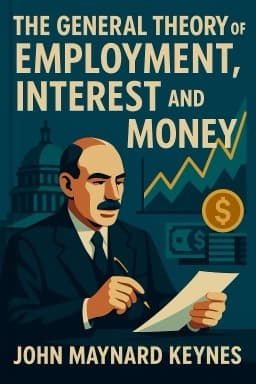
From Crisis to Consensus: The Enduring Legacy and Evolution of Keynesian Thought
Reflecting on how Keynes’s ideas have shaped and continue to influence economics worldwide.

Few economic theories have had as profound and lasting an impact as Keynesian economics. Born out of the desperation of the Great Depression, it reshaped how governments and economists understand and manage economic cycles.
Following World War II, Keynesian principles guided decades of economic policy, fostering unprecedented growth and stability. However, debates and criticisms led to adaptations and the emergence of various schools of thought, including neo-Keynesianism and post-Keynesianism, each interpreting and extending the original ideas.
The financial crisis of 2007–8 rekindled interest in Keynesian solutions, as governments worldwide implemented stimulus measures echoing those proposed decades earlier. This resurgence underscored the theory’s relevance and adaptability in addressing modern economic challenges.
Today, Keynesian economics remains a living dialogue, inspiring ongoing research, policy innovation, and debate. It reminds us that economies are complex systems requiring thoughtful, dynamic management and that ideas born in crisis can illuminate paths toward prosperity and resilience.
Want to explore more insights from this book?
Read the full book summary