
How Governments Became the Economy’s Lifeguards: The Rise of Fiscal and Monetary Policy
A deep dive into how government actions stabilize economies and promote growth.

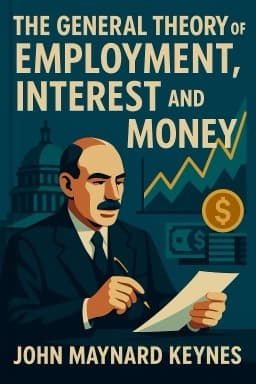
In the wake of economic crises, governments have assumed a vital role as stewards of stability and growth. Keynesian economics provided the intellectual foundation for this transformation, advocating for active intervention to manage demand and employment.
Fiscal policy, involving government spending and taxation, became a powerful tool to inject money directly into the economy. Public works projects, infrastructure development, and stimulus packages create jobs and increase consumption, producing a multiplier effect that revitalizes economic activity.
Monetary policy, managed by central banks, complements fiscal efforts by controlling interest rates and the money supply. Lowering interest rates encourages borrowing and investment, but as Keynes noted, there are limits—particularly during liquidity traps when low rates fail to stimulate spending.
Consider the post-World War II period, when coordinated fiscal and monetary policies helped rebuild economies and sustain growth. More recently, the 2007–8 financial crisis witnessed governments worldwide deploying massive stimulus efforts to counteract recessionary pressures, reaffirming Keynesian principles.
This partnership between government and markets marks a new era in economic management, where proactive policies safeguard prosperity and mitigate downturns. Understanding these tools equips us to appreciate the delicate balance required to nurture healthy economies and respond effectively to future challenges.
Want to explore more insights from this book?
Read the full book summary