
Why Peaceful Reforms Struggle to Tame Inequality: Lessons from History
Exploring why education, democracy, and economic growth often fail to close the wealth gap.

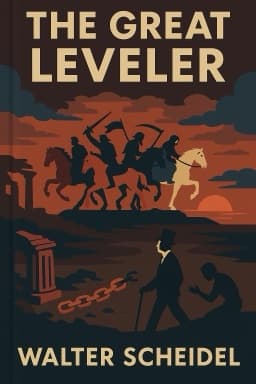
In an ideal world, education, democracy, and economic growth would naturally reduce inequality. But history and current trends tell a more complicated story. Walter Scheidel’s research reveals that peaceful reforms have rarely matched the scale of inequality reduction achieved by violent shocks. Why is this the case?
Democracy, while expanding political representation, does not guarantee economic equality. Wealthy elites often wield disproportionate influence, shaping policies to preserve their advantages. Labor unions and welfare programs have historically mitigated inequality but face decline and political pushback in many countries.
Economic growth tends to disproportionately benefit capital owners and skilled workers. When returns on capital exceed growth rates, wealth concentrates further. Technological change increases demand for high-skill labor, widening wage gaps. Globalization introduces competitive pressures that can suppress wages and weaken labor protections.
Education is a powerful tool for social mobility, but unequal access and varying returns limit its equalizing effect. Without complementary policies addressing structural economic and political inequalities, education alone cannot close the wealth gap.
Fiscal policies aimed at redistribution face constraints from political resistance, tax avoidance, and global capital mobility. Many governments struggle to implement progressive taxation at levels needed to significantly compress inequality.
These challenges help explain the resurgence of inequality since the late 20th century, despite decades of reform efforts. They underscore the need for innovative, multifaceted approaches that address the political economy of inequality and empower collective action.
Understanding these limitations is crucial for policymakers, activists, and citizens seeking to build a more equitable future. History teaches us that peaceful progress is possible but difficult, requiring sustained political will and structural change.
For additional insights, reviews from academic institutions and public policy forums provide valuable perspectives on the complexities of inequality reduction. 1 4
Want to explore more insights from this book?
Read the full book summary