
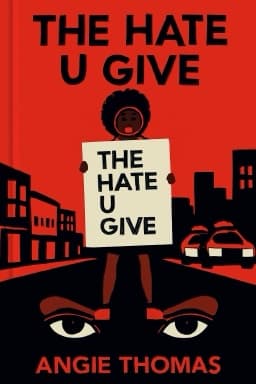
Media, Stereotypes, and the Fight for Truth in 'The Hate U Give'
How the Novel Exposes the Power and Pitfalls of Modern Storytelling

How the Novel Exposes the Power and Pitfalls of Modern Storytelling
In ‘The Hate U Give’, the media is both a battleground and a weapon. Starr Carter and her community are thrust into the national spotlight after the shooting of her friend Khalil. News outlets descend on Garden Heights, eager for a story but often uninterested in the truth. Khalil is quickly reduced to a stereotype, his humanity lost in a flurry of sensational headlines and biased reporting.
Angie Thomas uses the novel to critique the ways in which media can distort reality and reinforce harmful narratives. The book highlights the importance of media literacy—of questioning sources, recognizing bias, and seeking out stories that challenge the mainstream. Starr’s decision to speak to the press is fraught with risk, but it also represents an act of reclamation. By telling her own story, she disrupts the dominant narrative and asserts her agency.
Social media plays a crucial role in the novel, offering a platform for voices that might otherwise go unheard. Hashtags, viral videos, and grassroots campaigns become tools for organizing and truth-telling. Thomas’s depiction of online activism is both hopeful and realistic, acknowledging the potential for both solidarity and backlash.
‘The Hate U Give’ is a call to action for readers to become more discerning consumers of information and to amplify voices that are too often silenced. By exposing the power and pitfalls of modern storytelling, the novel invites us all to participate in the ongoing fight for truth and justice. 3 2
Want to explore more insights from this book?
Read the full book summary