
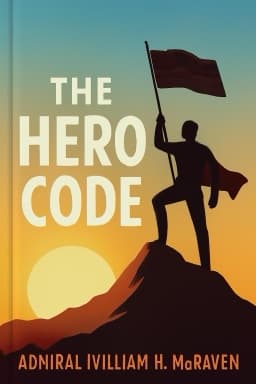
Unlocking the Hero Within: The 8 Virtues That Will Change Your Life Forever
Discover the timeless virtues that transform ordinary people into heroes — and how you can embody them today.

In a world that often celebrates fleeting fame and superficial success, the true essence of heroism can seem elusive. Yet, heroism is not reserved for the extraordinary few; it lives within each of us, waiting to be awakened through the cultivation of timeless virtues. These virtues—courage, humility, sacrifice, integrity, compassion, perseverance, duty, and hope—form the backbone of what it means to be a hero in everyday life.
Courage is the spark that sets all other virtues in motion. It is not the absence of fear but the decision to act despite it. Whether it’s stepping into a battlefield or confronting personal fears like trauma or addiction, courage demands that first step forward. This foundational virtue reminds us that bravery is often a quiet, internal struggle as much as it is a public act.
Humility follows courage as the grounding force that keeps us connected to reality and others. True humility is strength wrapped in modesty—recognizing our limits and embracing continuous learning. The youngest person to walk on the moon exemplified this by focusing on the vastness of the universe and his faith rather than personal glory. Such humility fosters respect and wisdom, essential for leadership and growth.
Sacrifice is the heartbeat of heroism. It is the selfless act of giving, whether in a single moment of valor—like a Marine shielding comrades from a grenade—or in daily acts of love, such as parents and teachers dedicating themselves to others. Sacrifice builds legacies and deep connections, reminding us that heroism is often found in unseen, steadfast commitments.
Integrity is the backbone of trust and effective leadership. It demands honesty, moral courage, and ethical action even when it is difficult. A young lawyer defending unpopular clients despite personal risk illustrates integrity’s power to uphold justice and inspire systemic change. Without integrity, trust crumbles, and leadership fails.
Compassion breathes life into heroism by connecting us through empathy and kindness. Acts of compassion in war zones—like delivering school supplies to children amidst conflict—restore hope and humanity. Small communities rallying to support soldiers demonstrate how collective kindness uplifts morale and binds societies.
Perseverance is the relentless spirit that turns obstacles into stepping stones. It is the commitment to keep moving forward, even if by crawling. Stories of scientists dedicating decades to research and military trainees pushing through grueling challenges highlight how persistence, more than talent, leads to breakthroughs.
Duty is the commitment to fulfill responsibilities faithfully, whether grand or small. A prisoner of war refusing early release to honor comrades exemplifies duty’s profound loyalty. Every role, from gate guards to clerks, is crucial to collective success, proving that heroism lies in consistent, dedicated service.
Hope is the guiding light that sustains us through darkness. It transforms fear into optimism and empowers endurance. Whether a patient fighting illness or prisoners of war buoyed by rescue missions, hope fuels the human spirit’s resilience and capacity to dream of a better future.
These eight virtues weave together to form a powerful code for living a heroic life. They remind us that heroism is accessible, grounded in everyday choices and attitudes, and that within each of us lies the power to change ourselves and the world around us. Embracing courage, humility, sacrifice, integrity, compassion, perseverance, duty, and hope is not just a path to personal greatness but a way to inspire and uplift others.
By reflecting on these virtues and their interconnections, we can cultivate a life of meaning, resilience, and impact. The hero’s journey is not about perfection but about consistent effort and heart. As you step forward today, remember that heroism begins with one courageous step, grounded in humility and fueled by hope.
Discover more about these virtues and how they shape leaders, communities, and history by exploring the full text and stories behind 'The Hero Code.'
Want to explore more insights from this book?
Read the full book summary