
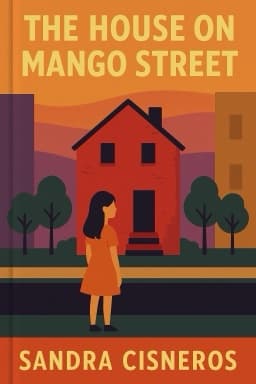
Roots That Bind, Wings That Soar: Family and Heritage in The House on Mango Street
Exploring how family stories and cultural traditions shape identity and inspire dreams

Roots That Bind, Wings That Soar: Family and Heritage in The House on Mango Street
At the heart of The House on Mango Street lies the intricate web of family and heritage that shapes Esperanza’s identity. The novel portrays family as both a source of grounding and a catalyst for growth.
Stories passed down from ancestors, like the tale of the great-grandmother who was wild and untamed, provide a powerful connection to the past. These narratives instill a sense of belonging and resilience, reminding Esperanza of the strength embedded in her lineage.
Family roles are complex. While they offer support and love, they also impose responsibilities and limitations, especially on young women. Esperanza’s position as the eldest daughter carries expectations that both nurture and constrain her.
Cultural traditions—language, food, rituals—act as anchors in a changing world. The bilingual nature of the narrative reflects this cultural continuity, preserving identity amid the pressures of assimilation and poverty.
The blessing from the three sisters to remember home even when leaving encapsulates the tension between departure and loyalty. It highlights the importance of carrying one’s heritage forward, honoring roots while pursuing new horizons.
This exploration of family and heritage offers readers a profound understanding of how identity is shaped by the stories we inherit and the dreams we dare to chase.
Sources: Salem Press Critical Insights, SparkNotes Themes, Study.com Summary [[1]](#__1) [[0]](#__0) [[2]](#__2)
Want to explore more insights from this book?
Read the full book summary