
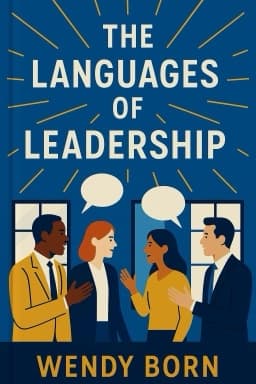
Unlocking the Hidden Languages of Leadership: 6 Surprising Secrets Every Modern Leader Needs
Discover the transformative power of self-awareness, courage, trust, and more in today’s fast-changing world.

Leadership today is less about titles and more about transformation. Gone are the days when authority alone could inspire loyalty or drive results. The best leaders in 2024 and beyond are those who master a mosaic of human skills—what we call the six languages of leadership. These languages aren’t just buzzwords; they are proven strategies backed by research and lived experience.
1. Self-Awareness: The Foundation of All Growth
Before you can lead others, you must first understand yourself. Self-awareness is more than introspection; it’s the daily practice of reflection, recognizing your strengths, and owning your blind spots. Leaders who make time for self-reflection consistently outperform their peers, as shown by studies where even 15 minutes of daily reflection boosted productivity by over 20%.
2. Courage: Acting Despite Fear
Courage isn’t about being fearless—it’s about taking action even when you’re scared. Neuroscience tells us that our brains react to social risks like public speaking the same way they react to physical danger. The most effective leaders embrace this, practicing courage and inspiring others to do the same. One act of bravery can ripple through a team, creating a culture of innovation.
3. Strength: Standing Firm with Compassion
Strength in leadership means making tough calls without losing your humanity. It’s about holding true to your values, setting clear expectations, and building respect—not fear. Teams thrive when leaders combine resolve with empathy, creating environments where accountability and kindness coexist.
4. Engineering Environments: Shaping Success for Others
Great leaders don’t just manage people—they design environments. From rearranging a meeting space to encourage creativity, to facilitating walk-and-talks that flatten hierarchy, intentional engineering can unlock hidden potential in any team. The key is transparency and a genuine desire to help others grow.
5. Abdication: Letting Go to Lift Others
True empowerment comes when leaders step back and let others lead. Abdication isn’t abandonment—it’s a conscious choice to trust, support, and celebrate your team’s growth. Teams with empowered members are more engaged, innovative, and resilient.
6. Trust and Vulnerability: The Heart of Connection
Trust is built in small moments—keeping promises, listening deeply, and admitting mistakes. Vulnerability, far from being a weakness, is the gateway to authentic connection and creativity. Leaders who open up about their struggles foster psychological safety, reduce stress, and inspire real loyalty.
In summary, mastering these six languages is the key to thriving in modern leadership. By weaving self-awareness, courage, strength, engineering, abdication, and trust into your daily practice, you’ll not only elevate your team—you’ll transform yourself.
Ready to unlock your potential? Start today by reflecting on which language you need to practice most—and watch your influence grow.
Want to explore more insights from this book?
Read the full book summary