
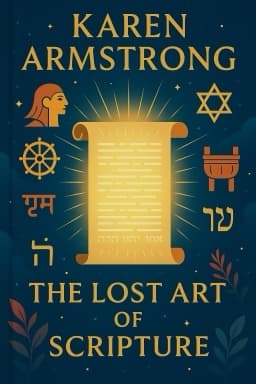
From Lion Man to Logos: A Journey Through the Evolution of Sacred Texts
Trace the fascinating path of how human beings have created and transformed sacred texts over millennia.

The Dawn of Sacred Imagination
The Lion Man figurine, discovered in a German cave and dating back 40,000 years, stands as a remarkable symbol of early human spirituality.
Orality and Sound in Ancient India
Thousands of years later, the Vedic tradition of India developed a sophisticated oral culture where sound itself was sacred. The Rig Veda’s hymns were transmitted precisely by chanting, preserving tonal accents and rhythms. Mantras were believed to possess transformative power independent of literal meaning, awakening spiritual states through sonic vibration.
Ritual and Harmony in Ancient China
In China, ritual formed the backbone of social and cosmic order. The Mandate of Heaven linked rulers’ legitimacy to moral conduct and ritual observance. Rituals enacted the harmony between heaven and earth, embedding scripture within ethical governance and daily practice.
Justice and Covenant in Israel
Israelite scripture emerged from exile and struggle, emphasizing covenantal loyalty and social justice. Prophets like Amos called for righteousness to flow like waters, challenging empty ritual and demanding ethical reform. Scripture became a tool of communal identity and resilience.
Logos and Reason in the West
The Western turn to scripture as authoritative text culminated in the Reformation’s sola scriptura principle. While emphasizing reason and textual authority, scripture remained a living art performed in ritual settings, balancing faith and intellect.
This evolutionary journey reveals scripture as a dynamic, living art that adapts to cultural contexts while sustaining humanity’s quest for meaning, transcendence, and ethical living.