
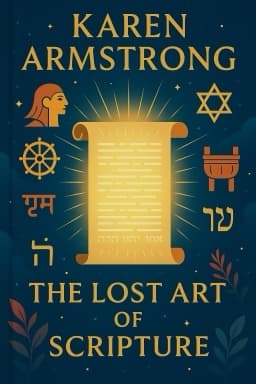
How Ritual and Myth Can Heal a Fractured World: Lessons from 'The Lost Art of Scripture'
Discover how ancient sacred practices offer pathways to restore community, justice, and compassion today.

Scripture as a Social and Ethical Force
Throughout history, sacred texts have served not only as spiritual guides but also as blueprints for just societies. The Israelite prophets, for example, emphasized social justice as central to true religion.
Ritual as Embodied Healing
Rituals create shared experiences that transcend individual differences, fostering empathy and social bonds. In ancient China, ritual was the glue that harmonized heaven, earth, and society. By participating in sacred ceremonies, individuals experience connection and renewal, which can counteract alienation and fragmentation in modern life.
Myth as a Narrative of Transformation
Mythic stories provide frameworks for understanding suffering, loss, and hope. They offer symbolic maps for personal and social transformation, helping communities navigate crises and envision better futures. When enacted in ritual, myth becomes a living force that can inspire ethical action and compassion.
Reclaiming the Lost Art Today
Modern movements for social justice and spiritual renewal can benefit from reintegrating ritual and myth. This involves moving beyond abstract ideology to embodied practices that cultivate empathy, accountability, and communal healing. 'The Lost Art of Scripture' challenges us to see sacred texts as invitations to live out compassion and justice in tangible ways.
In a fractured world, the ancient wisdom of scripture’s living art offers pathways toward wholeness, unity, and peace.