
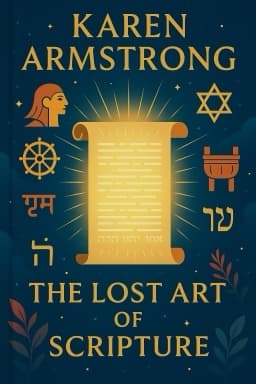
The Neuroscience of Sacred Texts: How 'The Lost Art of Scripture' Bridges Brain and Spirit
Explore the fascinating connection between brain function and the transformative power of sacred scripture.

Right Hemisphere: The Seat of Sacred Experience
Modern neuroscience reveals that the right hemisphere of the brain plays a crucial role in religious and spiritual experience. Unlike the left hemisphere, which processes language, analysis, and sequential thought, the right hemisphere excels at holistic perception, metaphor, and empathy.
Sound, Ritual, and Right-Brain Activation
Many ancient sacred traditions, such as the Vedic chants, engage the right brain through repetitive, rhythmic sound patterns that bypass discursive thought. Rituals similarly engage the body and emotions, creating an immersive experience that fosters spiritual insight. This explains why sacred texts were originally transmitted orally and performed rather than simply read silently.
Myth and Metaphor as Cognitive Tools
Mythic narratives use metaphor and symbol to communicate truths that elude literal language. The right hemisphere’s capacity to process metaphor allows these stories to resonate deeply, shaping identity and fostering transformation. Neuroscience supports the idea that myth and ritual are essential for holistic human development.
Integrating Logos and Mythos
The Western emphasis on logos — reason and logic — often neglects the right brain’s role. 'The Lost Art of Scripture' calls for integrating mythos (story) and logos (reason) to fully engage the spiritual potential of scripture. This balance nurtures a spirituality that is both intellectually rigorous and deeply experiential.
Understanding these brain dynamics helps us appreciate scripture as a living art that engages the whole person. It invites us to cultivate practices that awaken right-brain awareness — through story, sound, ritual, and empathy — fostering a transformative encounter with the sacred.