
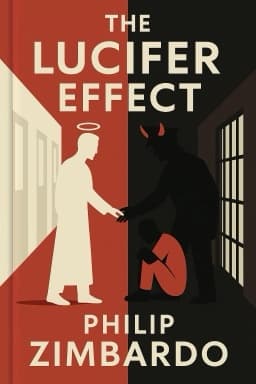
7 Shocking Truths About Human Nature from The Lucifer Effect
What Zimbardo’s Classic Reveals About Why Good People Do Bad Things

What Zimbardo’s Classic Reveals About Why Good People Do Bad Things
If you think evil is the domain of monsters and villains, think again. Philip Zimbardo’s The Lucifer Effect turns this comforting myth on its head, showing that the seeds of cruelty and compassion lie within us all. Through the lens of the Stanford Prison Experiment and a host of historical examples, Zimbardo lays bare the psychological mechanisms that can turn anyone into a perpetrator—or a hero. Here are seven truths from the book that will change how you see yourself and the world:
1. The Power of the Situation
One of the book’s most unsettling revelations is how easily ordinary people can be transformed by their environment. In the Stanford Prison Experiment, college students randomly assigned as guards quickly adopted abusive behaviors, while those playing prisoners became passive or rebellious. The lesson? Given the right (or wrong) situation, anyone can cross the line between good and evil.
2. The Myth of the Bad Apple
It’s comforting to believe that evil comes from a few “bad apples,” but Zimbardo shows that “bad barrels”—corrupt systems—often create the conditions for harm. From corporate scandals to wartime atrocities, the system matters as much as the individual.
3. Dehumanization is the Gateway to Atrocity
History’s worst crimes begin with language and images that strip others of their humanity. Whether through propaganda, slurs, or stereotypes, dehumanization makes cruelty possible. Zimbardo’s analysis of genocides and war crimes demonstrates how words can kill.
4. Authority and Obedience
People will do things under orders they would never consider on their own. Classic experiments and real-world events—from the Milgram shock studies to Abu Ghraib—show how obedience to authority can override personal conscience. Zimbardo’s insights warn us to always question unjust orders.
5. The Banality of Heroism
Just as evil can be ordinary, so can heroism. Zimbardo highlights stories of everyday people who resist, speak out, and help others, often at great personal risk. Heroism is not a superpower—it’s a choice available to everyone.
6. Healing and Redemption are Possible
The journey through darkness can lead to growth. Zimbardo discusses restorative justice, truth commissions, and the personal stories of those who found empathy and purpose after confronting evil. Healing, he argues, begins with truth and compassion.
7. Prevention Starts with Awareness
Perhaps the most empowering lesson is that we can design better systems, teach empathy, and foster communities that resist cruelty. By understanding the forces that shape our actions, we can build a more compassionate world.
Conclusion: The Lucifer Effect is a wake-up call and a guidebook for anyone who wants to understand—and resist—the darker sides of human nature. By shining a light on the hidden forces at work in our lives, Zimbardo offers hope that we can choose the path of empathy, courage, and healing.
References:
1
2
3
Want to explore more insights from this book?
Read the full book summary