
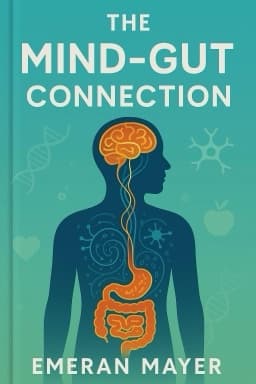
Unlocking the Secrets of the Mind-Gut Connection: Why Your Stomach May Be Controlling Your Life
How Your Gut’s Hidden Powers Shape Your Mood, Health, and Happiness
How Your Gut’s Hidden Powers Shape Your Mood, Health, and Happiness
Imagine waking up every morning with a sense of calm, energy, and clarity. Now, imagine that this feeling isn’t just the result of a good night’s sleep or positive thinking, but the work of trillions of tiny allies living inside your gut. For decades, the gut was dismissed as little more than a food-processing tube. But modern science has shattered this myth, revealing the gut as a sensory organ, immune powerhouse, and emotional command center all rolled into one.
At the heart of this revolution is the mind-gut connection—a complex, bidirectional communication network linking your digestive tract with your brain. This network is powered by the vagus nerve, a superhighway of information, and fueled by a bustling metropolis of microbes that outnumber your own cells. These microbes don’t just help digest food; they manufacture neurotransmitters like serotonin (with 95% of your body’s serotonin residing in the gut!), train your immune system, and even influence your thoughts and behaviors.
People who struggle with anxiety, depression, or chronic fatigue often find that their symptoms are mirrored by gut problems—bloating, pain, or irregularity. This is no coincidence. Research shows that stress and negative emotions can alter the gut microbiome within hours, while an unhealthy gut can send distress signals back to the brain, amplifying emotional turmoil. The result? A feedback loop that can either drag you down or, if harnessed, lift you up.
But the story doesn’t end here. Your gut is shaped by your earliest experiences—how you were born, what you ate as a child, and even your mother’s stress levels during pregnancy. This early programming sets the stage for your lifelong resilience or vulnerability to disease. Yet, the good news is that change is always possible. Studies reveal that even small shifts in diet—adding more plant diversity, fermented foods, and fiber—can rapidly transform your microbiome and mood within days.
So, how do you unlock the power of your mind-gut connection? Start by tuning into your body’s signals. Notice how certain foods, stressors, or relationships affect your gut. Cultivate a diverse, colorful diet. Practice mindfulness and stress reduction. Seek connection—with yourself, your community, and the natural world.
In the end, caring for your gut is not just about digestion—it’s about creating a foundation for mental clarity, emotional balance, and vibrant health. Your gut is listening. Are you?
References: MDPI Gut-Brain Axis, Take Courage Coaching, Vibrant Wellness
Want to explore more insights from this book?
Read the full book summary