
From Kafka to Camus: Absurdism’s Enduring Legacy in Pop Culture
How Absurdism Shaped Movies, TV, and the Stories We Love

Absurdism isn’t just a philosophy—it’s a lens for understanding the world’s strangest stories. Kafka’s novels, with their endless corridors and unreachable goals, set the stage for Camus’s more optimistic take on the absurd. Today, their influence is everywhere: in movies, TV, and the memes that fill our feeds.
The Kafkaesque World
Kafka’s characters are trapped in systems they can’t understand. They search for meaning in a world that refuses to explain itself. Camus admired Kafka’s honesty, but offered a twist: instead of despair, he found a way to live joyfully in the labyrinth.
Absurdism in Modern Media
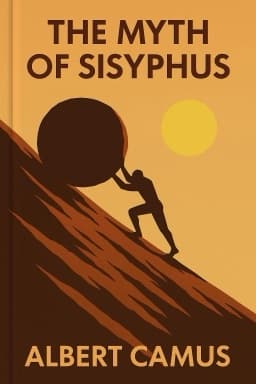
From the existential crises of TV’s BoJack Horseman to the relentless optimism of Marvel’s Spider-Man, modern pop culture is obsessed with characters who struggle without answers. These stories echo Camus’s Sisyphus: heroes who keep going, not because they expect to win, but because the struggle itself matters.
Why the Absurd Still Resonates
In a world of rapid change and endless uncertainty, absurdism offers both comfort and challenge. It invites us to laugh at the chaos, to find beauty in the mess, and to keep pushing our own boulders—knowing that meaning is made, not given.
So next time you binge-watch a show about lost souls or read a novel where nothing gets resolved, remember: you’re living in the age of the absurd. And like Camus, you can find freedom, creativity, and even happiness in the climb.
References: Camus, The Myth of Sisyphus; Kafka’s works; modern cultural analysis;
1
2
3
Want to explore more insights from this book?
Read the full book summary