
Sisyphus Was Happy? The Surprising Science Behind Struggle and Joy
What Modern Research Reveals About Camus’s Most Shocking Claim

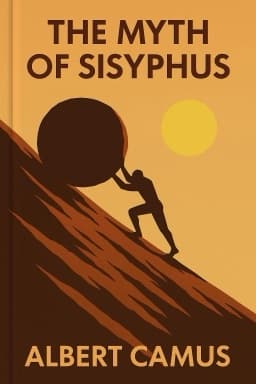
Camus’s image of Sisyphus—smiling as he pushes his boulder up the hill—has puzzled and inspired generations. On the surface, it seems absurd: how can endless, pointless labor bring happiness? Yet, modern psychology suggests that Camus may have been onto something profound.
The Paradox of Struggle
Research in positive psychology shows that people often report their greatest satisfaction not during moments of ease, but while overcoming challenges. The concept of “flow”—a state of deep engagement described by psychologist Mihaly Csikszentmihalyi—arises when we are fully absorbed in difficult but meaningful tasks. Like Sisyphus, we find ourselves most alive when we are striving, not resting.
Resilience and Meaning-Making
Studies on resilience reveal that individuals who face adversity and find ways to cope often emerge stronger and more fulfilled. This echoes Camus’s idea that awareness and acceptance of struggle can transform suffering into dignity and even joy.
Purpose in the Present
Modern science also supports Camus’s emphasis on living in the now. Mindfulness research shows that focusing on the present moment—rather than worrying about the future or dwelling on the past—enhances well-being. Sisyphus, fully aware of his fate, is free in his acceptance. The struggle itself becomes a source of meaning.
From Philosophy to Practice
Camus’s myth is not just a metaphor; it’s a practical guide. When we face life’s boulders with awareness and creativity, we can find happiness, even in the midst of difficulty. The science of struggle confirms what Camus intuited: joy is found not in avoiding hardship, but in embracing it with open eyes.
References: Camus, The Myth of Sisyphus; modern psychological research;
1
2
Want to explore more insights from this book?
Read the full book summary