
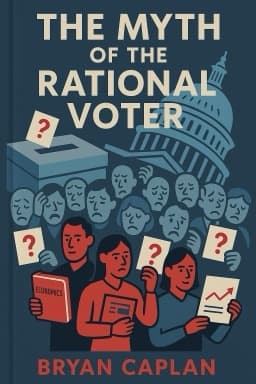
Faith vs Facts: The Ideological Battle Between Democracy and Markets
How emotional attachments to democracy and markets shape political debates and policy choices

Political and economic debates often reflect deeper ideological conflicts, particularly between the faith many place in democracy and the optimism economists have about markets. Understanding this tension sheds light on why policy reforms are contentious and why voter beliefs often resist empirical evidence.
Democracy is frequently treated as a secular religion, an institution imbued with symbolic legitimacy and protected from criticism. This reverence fosters an unquestioned belief in majority rule and democratic processes, often blinding adherents to flaws and irrationalities within the system.
Conversely, economists and market advocates emphasize the virtues of free markets as efficient allocators of resources and drivers of innovation. Their market fundamentalism often clashes with the public’s democratic faith, creating ideological divides that shape policy debates on trade, regulation, and welfare.
This ideological battle influences voter attitudes and political discourse, making reforms difficult and perpetuating biases. Recognizing the emotional and cultural roots of these beliefs is essential for meaningful dialogue and progress.
This blog synthesizes perspectives from political ideology, behavioral economics, and public choice theory, inspired by Bryan Caplan’s analyses and broader economic thought.
References: 1 , 2
Want to explore more insights from this book?
Read the full book summary