
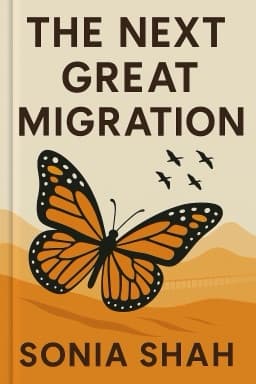
Why Migration Isn’t the Monster You Think It Is: Myths Busted with Science and Stories
From crime waves to disease fears—why the real story about migration is one of hope and resilience.

When headlines scream about migrant crime waves or disease outbreaks, it’s easy to feel fear and mistrust. But beneath the noise lies a very different reality.
These myths are not accidental. They are carefully constructed narratives used to justify restrictive immigration laws and border militarization. Politicians and media outlets amplify fear to gain support, while the real benefits of migration—economic contribution, cultural enrichment, and demographic renewal—are overlooked.
The roots of xenophobia run deep. Evolutionary fears of outsiders once protected humans from disease and danger. But these instincts can be manipulated to create social divisions, fueling discrimination and exclusion.
Physical walls and border fences symbolize this fear, but they come with heavy costs. Walls fragment ecosystems, blocking animal migrations and threatening biodiversity. They also separate families and communities, reinforcing false ideas of fixed belonging.
Instead of walls, we need bridges—both literal and metaphorical—that connect people and nature. Wildlife corridors and international migration frameworks show how cooperation and compassion can create safe passage for all life.
Ultimately, dismantling migration myths empowers us to see migrants not as threats but as neighbors, contributors, and fellow travelers on this shared planet. The truth is far more hopeful than the fear.
Want to explore more insights from this book?
Read the full book summary