
The Science of Seeing: How Shifting Your Mindset Can Heal Relationships and Boost Success
Explore the psychological roots of how we see others and how an outward mindset can transform connection and collaboration.

At the heart of human interaction lies perception—how we see others and ourselves. This seemingly simple act has profound psychological roots that shape our relationships, our work, and our lives.
The inward mindset distorts perception, casting others as obstacles or tools rather than as whole human beings. This leads to cycles of blame, justification, and conflict, eroding trust and collaboration.
Conversely, the outward mindset rewires perception. It invites us to see others’ humanity, needs, and challenges, fostering empathy and accountability. This shift is not just moral but neurological, activating pathways associated with compassion and cooperation.
Consider the story of a police SWAT team that transformed their approach by seeing community members as people with fears and needs, even preparing baby bottles during raids. This change reduced complaints and built trust, illustrating the power of perception to heal and connect.
Psychological research supports that mindset shifts can reprogram emotional responses and improve relationships. By consciously choosing to see others outwardly, we break destructive cycles and open doors to collaboration and success.
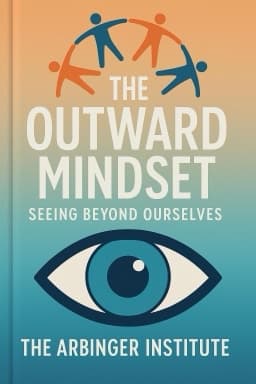
For anyone seeking to deepen connection and improve outcomes, understanding the science of seeing is a vital step. The Outward Mindset provides a practical framework to guide this transformation.
Sources: Arbinger Institute’s The Outward Mindset, psychological research summaries, and leadership reviews.
Want to explore more insights from this book?
Read the full book summary