
10 Shocking Lessons from Dorian Gray You’ll Never Forget
How Wilde’s Masterpiece Still Speaks to Our Modern Souls

How Wilde’s Masterpiece Still Speaks to Our Modern Souls
Oscar Wilde’s masterpiece, 'The Picture of Dorian Gray,' is a haunting journey through the heart of human desire, vanity, and the shadowy corners of the soul. More than a story about a beautiful young man and his cursed portrait, it’s a roadmap for anyone who’s ever wondered about the price of pleasure and the cost of denial. Here are ten unforgettable lessons that emerge from Wilde’s lush, witty prose, each as relevant today as in Victorian London.
1. Beauty Is Power—But Also a Prison
From the first pages, Dorian’s beauty captivates everyone around him. But Wilde warns us: beauty is both a gift and a curse. The world’s obsession with youth and appearance can trap us, making us fear change and age. Today, with filters and endless selfies, Dorian’s struggle feels eerily modern.
2. Influence Can Be More Dangerous Than Action
Lord Henry’s words are like poison—seductive, clever, and transformative. He never acts directly, but his philosophy shapes Dorian’s fate. Wilde shows us that ideas, once planted, can be more dangerous than any deed. In an era of influencers and viral trends, this lesson rings true. 1
3. The Pursuit of Pleasure Has a Dark Side
Dorian’s life becomes a whirlwind of parties, art, and sensation. But pleasure without meaning soon turns hollow. The more he indulges, the emptier he feels. Wilde’s hedonism is a warning: happiness isn’t found in excess, but in authenticity.
4. Art Reflects the Soul—Even When the World Can’t See
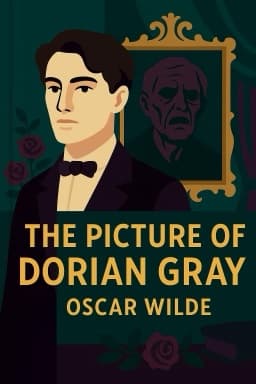
The portrait is more than a painting; it’s a living record of Dorian’s choices. While he remains youthful, the canvas grows hideous. Wilde’s metaphor is clear: our actions shape our inner selves, no matter how perfect our exterior. 2
5. You Can’t Escape Your Conscience
Dorian tries to hide his sins, locking the portrait in the attic. But guilt is a shadow that follows him everywhere. Wilde’s insight: the soul, once wounded, demands reckoning.
6. The Ripple Effect of Our Choices
Sibyl Vane’s tragic fate shows that our actions touch others, often in ways we cannot foresee. Dorian’s carelessness destroys innocence, reminding us that pleasure gained at another’s expense is always costly. 1
7. Reputation Is Fragile and Often Deceptive
Despite rumors, Dorian’s beauty shields him from suspicion. Wilde exposes the hypocrisy of a society obsessed with appearances—something we still see in celebrity culture and online personas.
8. The Dangers of Living for Appearances
Dorian’s life is a performance, each moment crafted for effect. But this constant acting leaves him isolated and paranoid. Wilde’s message: true connection requires vulnerability, not perfection.
9. Redemption Requires Facing the Truth
In the end, Dorian tries to destroy the portrait, hoping to erase his sins. Instead, he destroys himself. Wilde’s final lesson: redemption comes only through confession and self-acceptance, not denial. 2
10. The Soul Cannot Be Bought or Bartered
Dorian’s Faustian bargain is a warning that resonates through the ages. The soul, Wilde suggests, is the one thing that cannot be traded for pleasure, beauty, or power.
Conclusion: Why Dorian Gray Still Matters
Wilde’s novel is a timeless meditation on the human condition. In a world obsessed with surfaces, Dorian’s story asks us to look deeper—to confront our own shadows, cherish authentic beauty, and remember that the soul, once lost, is not easily reclaimed. These lessons, shocking and profound, are why 'The Picture of Dorian Gray' remains essential reading for every generation. 1 2 3
Want to explore more insights from this book?
Read the full book summary